
The spiritual path isn't a straight line. It winds through valleys of doubt, peaks of revelation, and sometimes leads us into territories where we must pause, reassess, and choose differently. Whether you're a seeker just beginning your journey, an initiate questioning your current path, or someone preparing to leave an unhealthy spiritual situation, understanding how to navigate these sacred waters with wisdom and discernment is essential.
Your ancestors knew this. They understood that not every teacher who claims divine connection actually serves the divine. They recognized that healing requires both courage to face what's broken and wisdom to know what needs to be released.
Recognizing Spiritual Blockages and Emotional Unavailability
Before we can identify unhealthy patterns in our spiritual communities, we must first recognize them within ourselves. Spiritual blockages often manifest as emotional unavailability: to ourselves, our guides, and our authentic calling. These blockages create fertile ground for manipulation because they leave us seeking external validation rather than trusting our inner knowing.

When you find yourself constantly seeking approval from spiritual authorities, unable to sit quietly with your own guidance, or feeling spiritually "stuck" despite years of practice, these may be signs that unresolved trauma or conditioning is interfering with your connection to source. The ancestors whisper that true spiritual growth requires us to be emotionally present: not perfect, but present and willing to feel what needs to be felt.
Ask yourself: Am I using spiritual practices to avoid dealing with painful emotions, or am I using them to process and integrate these experiences? The difference determines whether your path leads toward healing or deeper spiritual bypassing.
The Sacred Art of Cutting Toxic Ties
Perhaps the most challenging aspect of spiritual maturity is learning when and how to cut ties that no longer serve your highest good. This isn't about judgment or condemnation: it's about recognizing that some relationships, including those with godparents, mentors, or spiritual friends, may have become toxic or extractive.
Recognizing Toxic Spiritual Relationships
Toxic spiritual relationships often disguise themselves as "challenging you to grow" or "testing your dedication." But there's a crucial difference between being challenged to expand and being systematically diminished. Watch for:
- Godparents or mentors who demand blind obedience without explanation or room for questions
- Friends who guilt-trip you for setting boundaries around your spiritual practices
- Teachers who profit from your insecurities rather than empowering your strengths
- Anyone who claims exclusive access to spiritual truth or divine favor
The ancestors understood that true spiritual authority comes from service, not domination. A healthy spiritual relationship nurtures your connection to your own divine essence rather than making you dependent on someone else's interpretation of the sacred.
The Liberation of Strategic Detachment
Cutting toxic spiritual ties isn't about burning bridges with anger: it's about conscious, strategic detachment. This process honors both your growth and the lessons these relationships provided while clearly establishing that their season in your life has ended.
Sometimes this means leaving a spiritual house entirely. Sometimes it means loving someone from a distance while no longer seeking their spiritual guidance. The key is to move with intention rather than reactive emotion, consulting divination and your ancestral guides throughout the process.
Divination: Your Spiritual GPS
In traditions worldwide, divination serves as a spiritual GPS system, helping practitioners navigate complex decisions and understand divine will. Whether through cowrie shells, tarot, runes, or other systems, regular divination practice prevents us from making major spiritual decisions based solely on emotion or ego.

When considering whether to enter a new spiritual house, leave a current situation, or deepen your commitment to a particular path, divination provides objective guidance that transcends our personal desires and fears. The ancestors relied on these systems because they understood that the human mind, however well-intentioned, can be clouded by attachment, trauma, or wishful thinking.
Questions for Spiritual Discernment
Before making major spiritual decisions, consider asking your divination system:
- Is this path aligned with my highest good and spiritual purpose?
- What am I being called to learn or release in this situation?
- How can I honor both my growth and my responsibilities to others?
- What ancestral wisdom is available to guide this decision?
Remember, divination isn't about predicting a fixed future: it's about understanding the energetic currents at play and how your choices might influence them.
Red Flags: When Spiritual Houses Become Spiritual Prisons
Not all spiritual communities serve the light they claim to represent. Some become vehicles for personal power, financial gain, or psychological control. Learning to recognize these red flags early can save you years of spiritual confusion and potential harm.
The Quick Initiation Trap
Beware of any spiritual tradition that rushes you toward initiation or advanced practices without adequate preparation, relationship-building, and demonstrated competency. Legitimate traditions understand that initiation is a profound responsibility that requires both the initiate and the community to be properly prepared.
Predatory spiritual leaders often use the promise of quick advancement to attract vulnerable seekers, collecting initiation fees without providing ongoing support, mentorship, or genuine spiritual development. They profit from your eagerness to belong and advance, then leave you spiritually isolated once the ceremony is complete.
Financial Exploitation and Emotional Manipulation
Healthy spiritual communities require some financial contribution to maintain themselves, but they don't exploit members' financial vulnerabilities or create artificial scarcity around spiritual knowledge. Be cautious of:
- Escalating financial demands that strain your ability to meet basic needs
- Secret knowledge that's only available at premium prices
- Guilt or shame tactics used to motivate financial contributions
- Claims that financial sacrifice demonstrates spiritual commitment
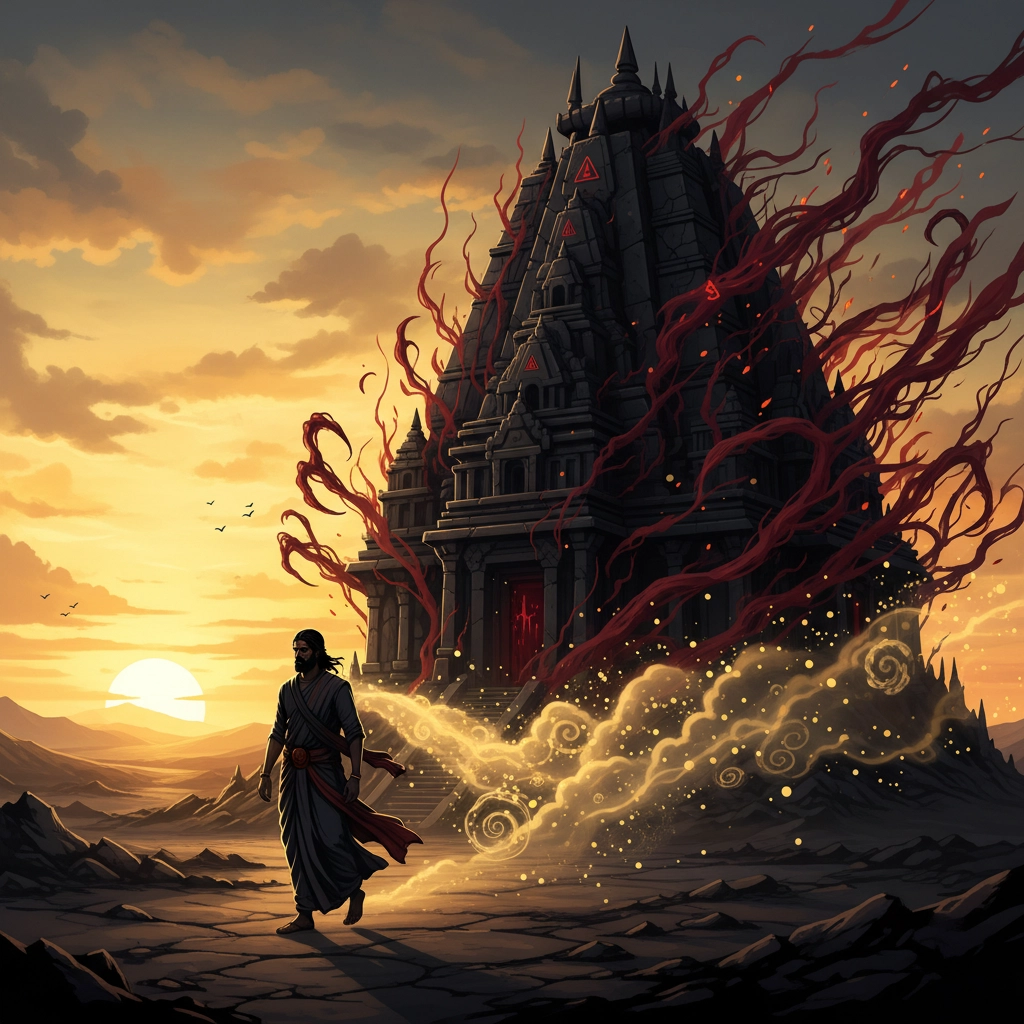
Similarly, emotional manipulation often appears disguised as spiritual teaching. Leaders who create dependency through alternating praise and criticism, who discourage questions or outside relationships, or who claim their approval is necessary for your spiritual progress are displaying classic manipulation tactics.
Ancestral Guidance: Your Deepest Spiritual Authority
Throughout this journey of spiritual discernment, remember that you carry the wisdom of countless ancestors within your very DNA. They survived persecution, adapted to new lands, preserved sacred knowledge under impossible circumstances, and passed down both visible and invisible gifts that live within you today.
Your ancestors don't want you to suffer in spiritual relationships that diminish your light. They don't want you to remain trapped in communities that exploit your seeking heart or mistake your devotion for weakness. They want you to thrive, to grow, to contribute your unique gifts to the continuation of wisdom traditions.
Connecting with Ancestral Guidance
Developing a relationship with your ancestors doesn't require elaborate rituals or expensive tools: it requires consistency, respect, and genuine openness to their guidance. Simple practices include:
- Creating an ancestor altar with photos, meaningful objects, and regular offerings
- Asking for their guidance before making major spiritual decisions
- Paying attention to dreams, synchronicities, and intuitive nudges that may carry their messages
- Studying your family history to understand the spiritual traditions and challenges they navigated
Your ancestors understand the difference between healthy spiritual challenge and spiritual abuse because many of them survived both. Trust their guidance when it comes to assessing the health of your spiritual relationships and communities.
Walking Away with Grace and Wisdom
Sometimes the most spiritually mature choice is to walk away. This doesn't represent failure or spiritual weakness: it represents growth, discernment, and alignment with your authentic path. The ancestors who survived by knowing when to leave dangerous situations understand this wisdom intimately.

Walking away gracefully means:
- Acknowledging what you learned from the experience without minimizing the harm caused
- Protecting your energy during the transition without becoming bitter or vengeful
- Seeking appropriate support from trusted advisors, therapists, or other spiritual communities
- Maintaining your spiritual practices independently while you discern your next steps
Remember, you are not responsible for fixing unhealthy spiritual communities or changing manipulative leaders. You are responsible for your own spiritual well-being and growth.
Finding Your True Spiritual Home
Your authentic spiritual path exists at the intersection of your deepest calling, your ancestral wisdom, and your current capacity for growth and service. It doesn't require you to abandon your discernment, compromise your values, or accept treatment that diminishes your divine essence.
A healthy spiritual community will:
- Encourage your questions and support your discernment
- Provide clear expectations and transparent leadership
- Celebrate your growth rather than creating dependency
- Connect you more deeply to your own spiritual authority
- Honor both tradition and individual spiritual development
Trust that as you align with your ancestors' guidance and commit to your own healing, you will be guided toward communities and teachers who genuinely serve your spiritual evolution. The path may not always be easy, but it will be true.
Your spiritual journey is ultimately between you, your ancestors, and the divine forces that guide your life. Honor that sacred relationship above all others, and let it be your compass as you navigate the complex landscape of spiritual traditions and communities. The ancestors are with you, and they want you to be free.